Learn the Beach Before You Chase the Wave
Your first sessions go better when you understand the water, ride a board that floats you, and pick a break that forgives mistakes. This guide explains all three in plain language.
Read the Water First
Before you think about standing up, spend ten minutes on the sand just watching. Where are the waves breaking? Is there a calm-looking channel where nobody is catching anything? That flat, darker strip is often a rip current, a narrow flow of water heading back out to sea. It looks inviting and it is the last place a beginner should paddle into.
Look for lifeguards too. In the UK, the RNLI marks the supervised zone for swimmers and bodyboarders with red and yellow flags, and the board zone with black and white chequered flags. In Australia, surf lifesavers use red and yellow flags for swimming between. Learn the local system before you get wet.
Finally, learn the one rule of etiquette that prevents most arguments: the surfer closest to the breaking part of the wave has priority. Never drop in, meaning take off in front of someone already riding.
Learn the basics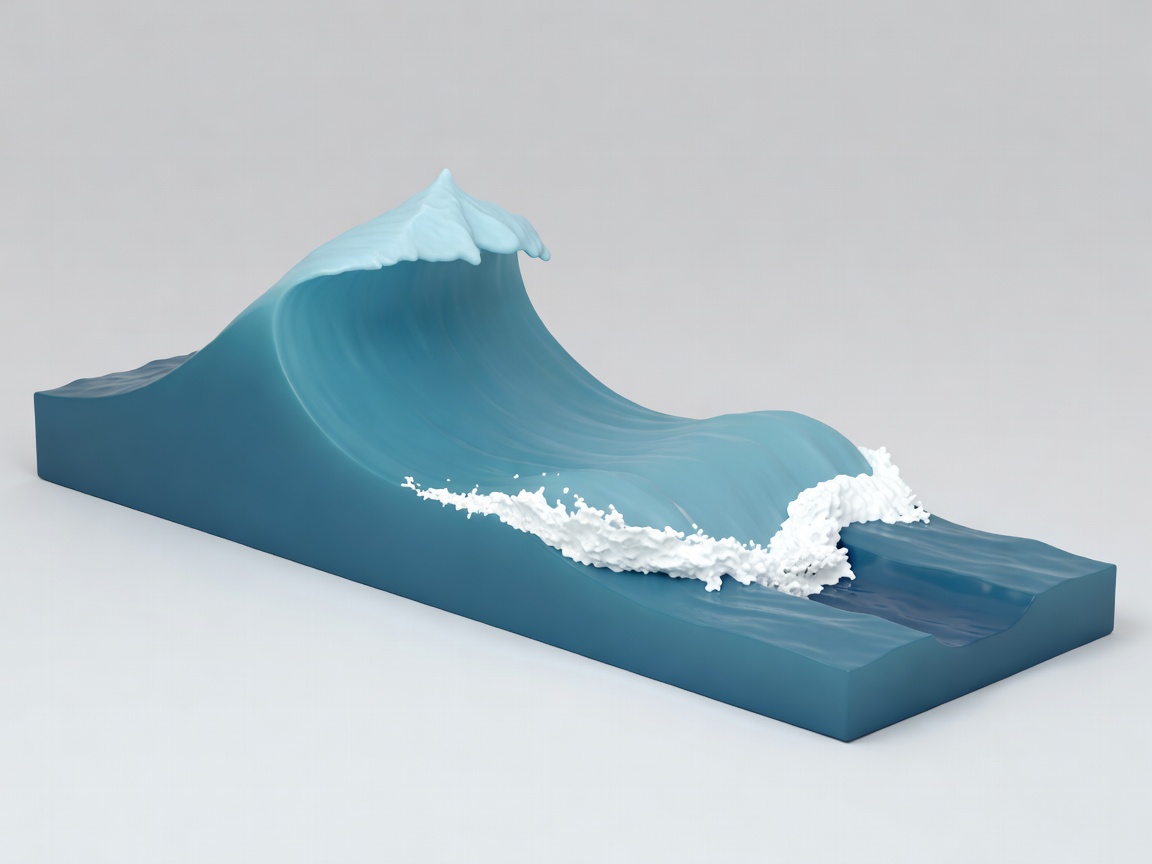
Build a Steady Start
Most first-timers rush to the "green" unbroken waves they see experienced surfers riding. You will learn faster in the whitewater, the broken foam rolling toward shore, where the push is predictable and the water is usually waist deep.
- Find your balance point. Lie so the nose sits a few centimetres above the water.
- Paddle with long strokes. Reach forward, pull to your hip, keep your chest slightly raised.
- Feel the push, then stand. Wait until the foam carries you before you pop up.
Find a Forgiving Break
A forgiving break has gently sloping sand, waves that crumble rather than pitch, and enough room that you are not paddling among experienced surfers. These well-known places have long reputations for that character, though every one of them can turn serious on a big day.
Waikiki
Oʻahu, Hawaii
BeginnerLong, rolling waves at breaks such as Canoes and Queens, in the waters where Duke Kahanamoku popularised modern surfing. Very crowded; the reef sits shallow in places.
Fistral Beach
Newquay, Cornwall
BeginnerIntermediateA large, exposed beach break with seasonal RNLI lifeguards and a long tradition of surf schools. Small days suit learners; bigger swells get powerful.
Muizenberg
Cape Town, South Africa
BeginnerA long, gently sloping False Bay beach lined with colourful bathing boxes, known for soft, mellow waves and a long-running Shark Spotters programme.
Make Your Board Make Sense
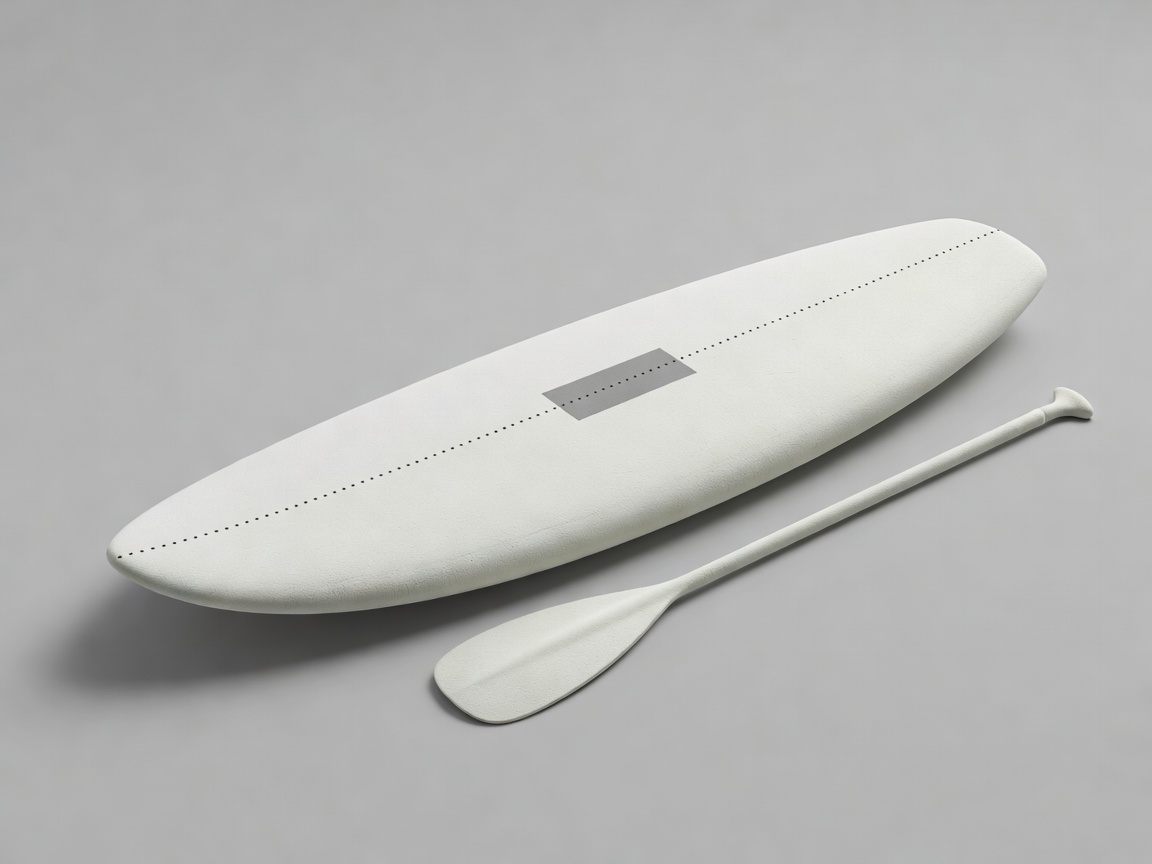
The board that looks coolest in the car park is usually the hardest to learn on. Short, thin boards sink under a beginner and wobble at every stroke. A long, wide, thick foam board floats you high, paddles easily and catches small waves early. That extra float is called volume, measured in litres.
Length & volume
Most first boards sit between 8 and 9 feet with plenty of foam.
Fins & leash
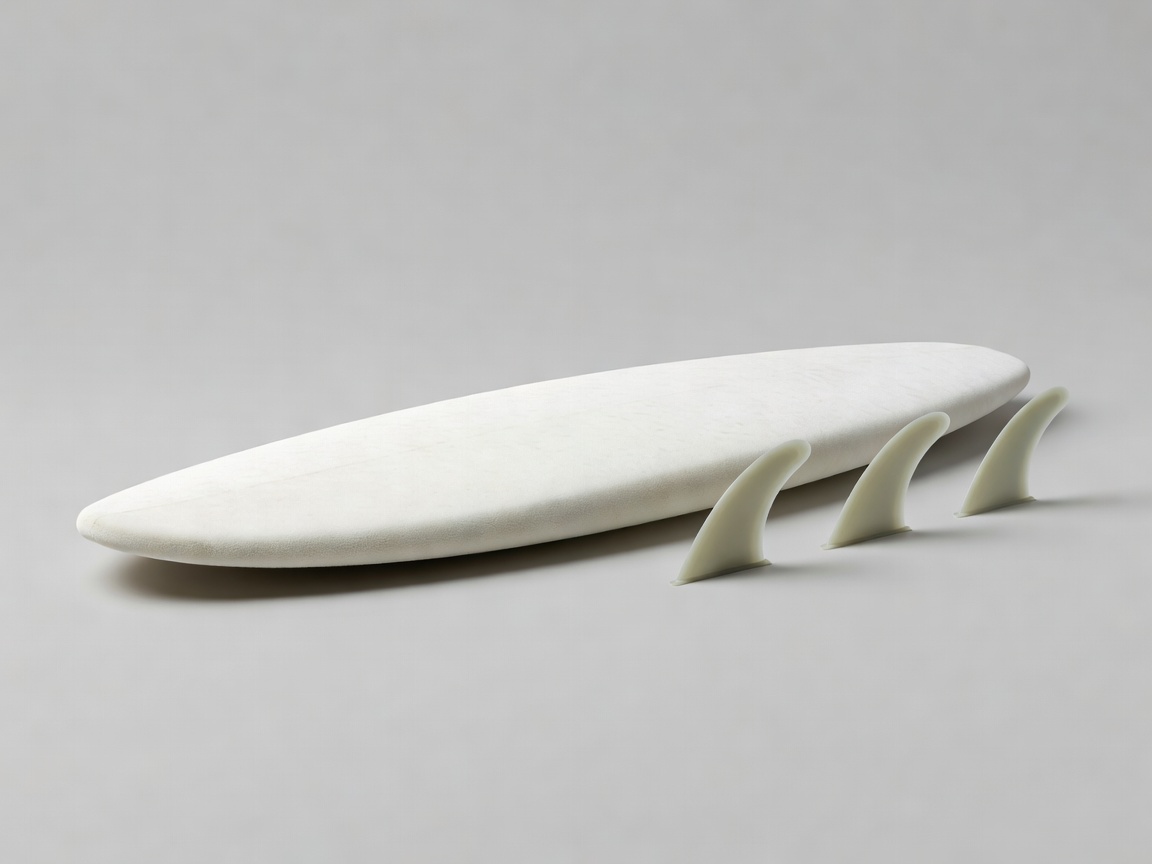
Soft, flexible fins and a leash on your back ankle keep things safe.
Clear Up the Wipeout Questions
Do I really need a lesson?
A lesson with a qualified instructor is the quickest, safest way to learn local hazards, rips and etiquette. You can practise technique alone later, but conditions at an unfamiliar beach need local knowledge.
What size waves should I start in?
Knee- to waist-high whitewater on a sandy beach is ideal. If the waves look bigger than you are comfortable swimming in, stay on the sand.
How do I fall safely?
Fall flat and away from your board, ideally backwards, and cover your head with your forearms as you surface.
Keep This Guide Handy
Why this guide exists
An independent, non-commercial explainer for people who have never surfed. No sponsors, no gear sales.
Our guideGot a question?
Use the drafting workbench to shape a clear question, then copy it or save it before emailing.
Draft a question